"> webdev1_user – BridgeCon

Blog

Franna Crane Hire for Civil Projects: Pick-and-Carry Safety, Compliance, and Risk Controls

06 March 2026
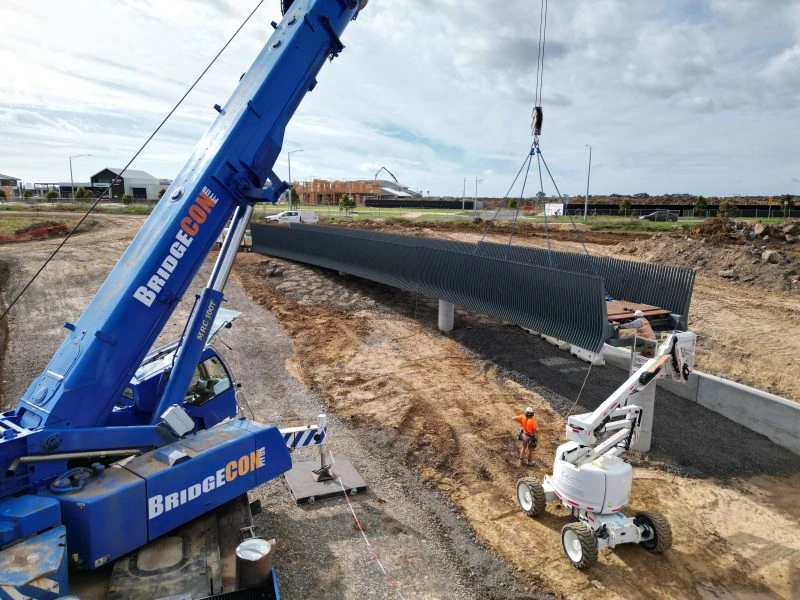
Crane placing a precast beam on a civil construction site

Strengthen civil construction safety using Franna crane hire from Bridgecon in Melbourne, aligned with WHS and crane compliance standards consistently.

Civil construction sites require lifting solutions that move efficiently without compromising site safety or compliance obligations. Franna crane hire remains a preferred option across Australian civil projects due to its pick-and-carry capability and compact operating footprint. Effective use depends on disciplined risk controls that align with regulatory standards and site-specific conditions.

Pick-and-Carry Lifting in Civil Construction Environments

Pick-and-carry cranes are engineered to lift and transport loads without the need for additional handling equipment. This capability suits civil works involving staged construction, restricted access zones, and live traffic interfaces. Load stability, travel paths, and surface conditions influence every lift outcome.

Project planners often specify Franna crane hire where mobility and accuracy must coexist on constrained worksites. Crane selection based on rated capacity, axle loading, and turning radius supports predictable lifting movements. These considerations reduce disruption and maintain progress across active civil environments.

Safety and Compliance Requirements for Franna Crane Hire

Pick-and-carry lifting introduces combined risks associated with load movement and crane travel. Effective control measures rely on documented systems that address these risks before site mobilisation.


Critical safety and compliance controls include:

  • Lift Planning and Load Verification: Detailed lift documentation confirms load mass, centre of gravity, travel distance, and crane configuration to prevent overload and instability during movement.
  • Ground Condition and Access Assessment: Site inspections verify surface integrity, gradients, underground services, and bearing capacity to manage rollover and ground failure risks.
  • Operator Licensing and Experience: Licensed operators with civil project exposure apply controlled driving techniques and lifting judgement aligned with WHS and plant regulations.
  • Exclusion Zones and Traffic Interfaces: Defined lifting corridors and separation distances minimise interaction with vehicles, pedestrians, and adjacent plant operations.
  • Inspection and Maintenance Records: Pre-start inspections and service documentation confirm mechanical reliability and compliance with Australian crane safety standards.

Risk Management on Active Civil Worksites

Live civil worksites introduce changing hazards through traffic movement, concurrent trades, and evolving ground conditions. Franna crane hire requires structured sequencing so lifting activities align with traffic management plans and temporary works arrangements.

Bridgecon applies site-specific risk controls that reflect real-world civil construction conditions rather than generic lifting assumptions. Our project teams account for access limitations, weather exposure, and load dynamics when integrating crane movements into broader construction schedules.

This level of planning supports consistent lifting performance without interrupting surrounding civil activities. Our experience across Victorian infrastructure projects allows pick-and-carry operations to remain controlled, compliant, and predictable throughout each stage of works.

Civil Crane Hire Aligned with Safety and Compliance

Civil construction projects depend on lifting solutions that maintain momentum while respecting regulatory and site constraints. Franna crane operations, when managed correctly, support controlled material movement across complex and live environments.

Bridgecon integrates Franna crane hire within civil construction programs through controlled planning, compliance oversight, and site-specific coordination. Our expertise supports lifting activities that align with infrastructure works, access controls, and established project schedules.

Contact us to arrange crane hire that supports safe, compliant pick-and-carry operations on your next civil project.

Related Blog Articles:

Hydraulic Crane Hire Victoria – Trust Bridgecon Civil Contractors for Compliant Infrastructure Lifting

Plant Hire Services: The Impact of Crane Selection in Civil Projects
Blog

Hydraulic Crane Hire in Victoria: Load Charts, Radius and Ground Bearing Pressure

20 February 2026

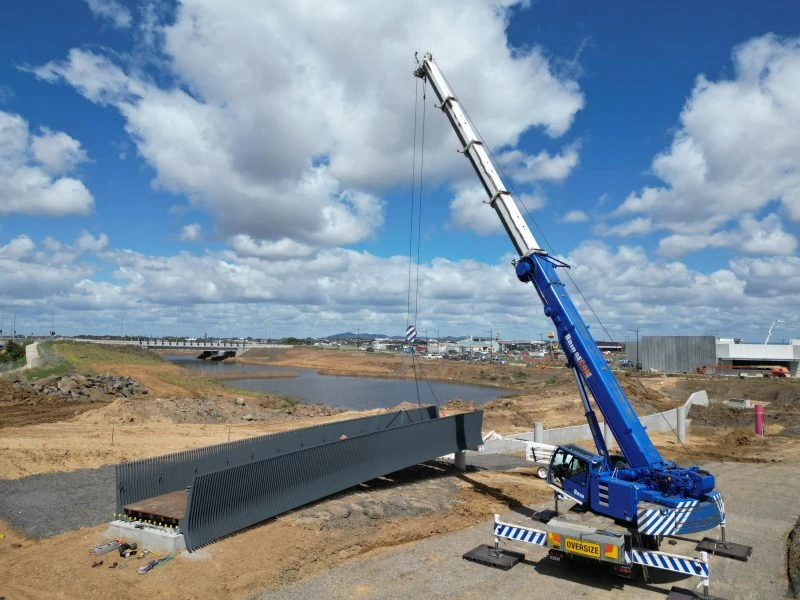
Mobile crane lifting a precast bridge component

Solve lift planning challenges with hydraulic crane hire in Victoria by BridgeCon, covering load charts, operating radius, and ground bearing pressure.

Hydraulic cranes support lifting operations that require controlled movement and site stability. Safe lifting outcomes depend on matching crane capacity with site layout, reach requirements, and ground conditions. Hydraulic crane hire in Victoria supports this process by providing equipment suited to varied construction and infrastructure environments.

Understanding Load Charts and Crane Capacity Limits

Load charts outline how much weight a hydraulic crane can lift under specific operating configurations. These charts account for variables such as boom length and working radius, offering practical guidance rather than a single maximum figure. Reviewing this information allows lifting tasks to be planned with greater certainty.

Hiring a hydraulic crane involves aligning load chart data with site realities, including access constraints and lift paths. Careful reference to capacity limits helps reduce the likelihood of overload during operations. This planning approach supports consistency across repeated lifts.

How Operating Radius Influences Lift Planning

Operating radius refers to the horizontal distance between the crane’s centre point and the load position. As this distance increases, the crane’s lifting capacity reduces, even when the load weight remains constant. Accurate radius control supports equipment stability and predictable lift behaviour.

Site access, lift sequencing, and nearby obstructions influence radius decisions during crane setup. Hydraulic crane hire considers these elements to minimise unnecessary repositioning. Controlled radius planning also helps maintain a steady workflow on active sites.

Ground Bearing Pressure and Site Stability Requirements

Ground bearing pressure affects how crane loads are transferred to the supporting surface. Reviewing the following factors helps maintain stability throughout lifting operations:

  • Surface Type Assessment: Identifies whether soil, asphalt, or concrete can safely support crane loads. Understanding surface strength reduces the risk of uneven settlement during lifting.
  • Outrigger Load Distribution: Ensures the crane’s weight is shared evenly across contact points. Balanced distribution improves stability and limits concentrated pressure.
  • Load-Spreading Mats: Increase the surface area beneath outriggers on softer ground. These mats help maintain consistent support during lifting cycles.
  • Weather and Moisture Conditions: Accounts for rainfall or saturated ground that may reduce bearing capacity. Adjusting the setup for conditions improves site safety.
  • Site Preparation Standards: Confirms level placement areas and clear access paths. Proper preparation supports predictable crane performance.

Reference from Safe Work Australia – Cranes Code of Practice for further guidance on crane stability and ground conditions.

Matching Crane Selection to Site-Specific Conditions

Selecting the right crane involves reviewing load capacity, operating radius, and ground bearing pressure together. Treating these factors as a combined consideration supports controlled lift execution. This approach reduces unexpected limitations once operations begin.

Hiring a hydraulic crane supports projects across civil, infrastructure, and industrial sectors by supplying equipment suited to local site conditions. Consistent assessment helps maintain compliance while protecting personnel and nearby structures. Well-matched crane selection also supports efficient project delivery.

Professional Hydraulic Crane Hire Services Across Victoria

Reliable crane operations rely on informed planning and suitable equipment that align with load charts, operating radius, and ground conditions. Consistent consideration of these factors supports stable lifting and predictable outcomes across varied site environments.

BridgeCon provides hydraulic crane hire services in Victoria that support safe, controlled lifting and efficient site operations. Our equipment selection is guided by practical site requirements and lifting parameters relevant to construction and infrastructure projects.

Contact us to arrange crane hire suited to your project requirements.

Related Blog Articles:

Hydraulic Crane Hire Victoria – Trust Bridgecon Civil Contractors for Compliant Infrastructure Lifting

Construction Equipment Hire: Bridgecon’s Comprehensive Franna and Hydraulic Crane Options

Blog

Constructability Reviews in D&C Projects: Reducing Variations for Contractors

06 February 2026

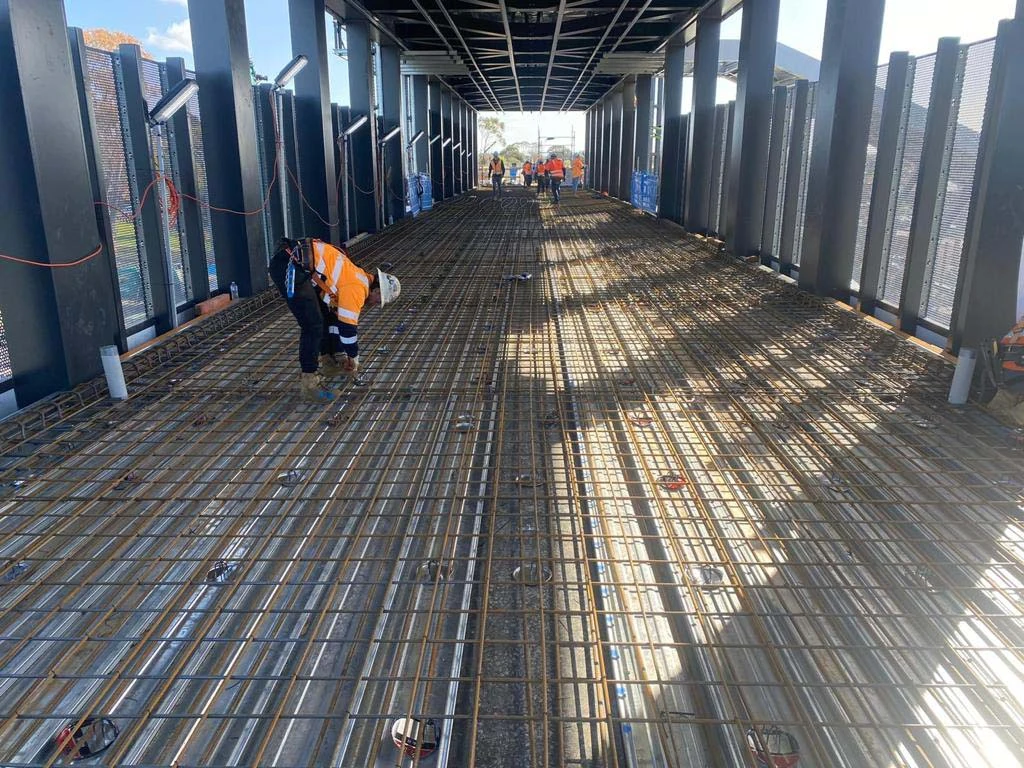
Reinforcement and formwork for a bridge slab

Improve D&C delivery with constructability reviews that reduce variations for contractors by BridgeCon’s practical project expertise in Melbourne.

Constructability reviews are systematic assessments of design documentation that identify and resolve buildability issues before construction begins. This proactive process reduces variations for contractors and enhances project certainty in design and construct (D&C) delivery. Early identification of conflicts, sequencing challenges, and specification gaps improves outcomes for all stakeholders.

Improved Design Resolution Through Constructability Reviews

A thorough constructability review embeds technical expertise into the design phase. This ensures designs are not only compliant with engineering standards but also executable by trades without significant redesign. Practical considerations such as access, staging, and material handling are evaluated long before breaking ground.

Risk mitigation becomes measurable through structured review checkpoints. Consultants, designers, and contractors collaborate to eliminate ambiguities that typically surface during construction. This collaboration reduces variations for contractors and supports consistent project delivery quality.

Common Issues Identified During Constructability Review

Contractors and design teams often encounter recurring challenges that drive variations. Understanding these helps shape more effective reviews. Consider these common areas that should be addressed:

Typical review focus items include:

  • Design Conflicts: Inconsistencies between architectural and structural documentation that create on-site clashes during installation.
  • Access Constraints: Restricted site access that complicates sequencing, delivery and equipment staging if not resolved early.
  • Specification Ambiguities: Vague materials or performance requirements that lead to supplier or subcontractor substitutions.
  • Constructability Risks: Unanticipated buildability barriers such as tight tolerances or site conditions affecting installation.
  • Coordination Gaps: Misalignment between services such as electrical, mechanical, and civil works that increases rework risk.

These focus areas should be documented and communicated clearly in review reports. Establishing this baseline reduces variations for contractors and supports clearer contractual obligations.

Benefits of Effective Constructability Feedback for Contractors

Structured constructability reviews unlock measurable improvements in project delivery. The following bullets describe how this process translates to better performance:

  • Reduced Rework: Early detection of design issues minimises revisions during construction.
  • Cost Certainty: Fewer variations improve budget adherence and financial forecasting.
  • Program Stability: Refined sequencing supports predictable construction schedules.
  • Quality Delivery: Identified buildability improvements enhance final workmanship and compliance.
  • Stakeholder Alignment: Shared understanding between designers and contractors promotes collaborative outcomes.

Clear documentation of these benefits in tender submissions and pre-start workshops also strengthens commercial confidence in delivery proposals.

Review the Western Sydney University constructability assessment model for insight into multi-criteria decision frameworks that support buildability planning and variation reduction.

Effective Collaboration Through Constructability Insights

BridgeCon supports design and construct projects by applying structured constructability reviews that improve buildability and delivery certainty. Our approach introduces practical construction insight during design development to help reduce variations for contractors and support smoother project execution. We focus on strengthening coordination, cost control, and overall confidence across the construction lifecycle.

Contact us to integrate professional constructability feedback into your D&C project planning.

Related Blog Article: Concrete Pouring in Melbourne: QA/QC Checklists That Cut Rework for Contractors

Blog

Temporary Works Engineering: Falsework, Propping and Edge Protection in Civil Works

23 January 2026

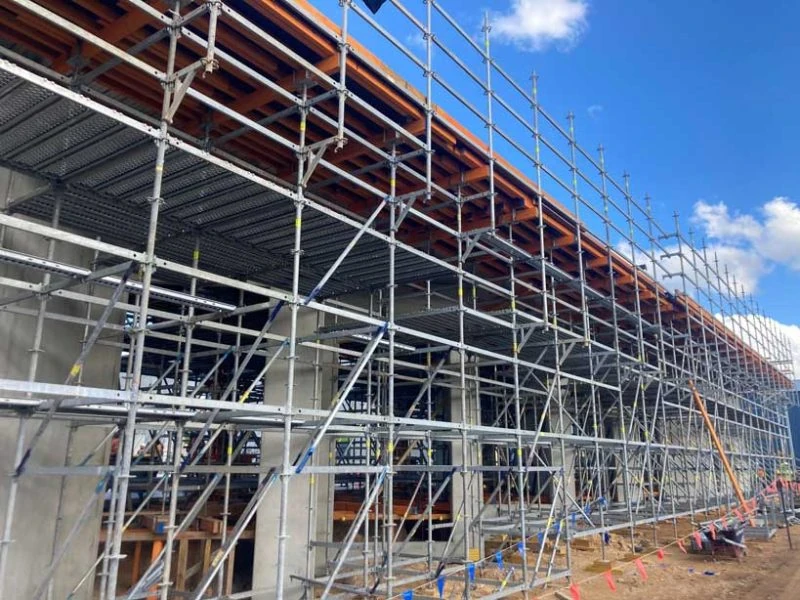
Scaffolding and formwork supporting an elevated concrete structure

Strengthen civil projects with temporary works engineering by Bridgecon in Melbourne, supporting compliant propping and access systems on civil sites.

Temporary structures support permanent civil assets during construction and must perform under demanding site conditions. Temporary works engineering provides the technical framework that ensures these systems remain stable, compliant, and safe throughout all construction stages. Civil infrastructure projects rely on engineered temporary solutions to manage structural loads, sequencing constraints, and workforce safety without disrupting long-term asset integrity.

Temporary Works Engineering Applied to Structural Support Systems

Temporary works systems interact directly with live construction loads and evolving site conditions. Engineering input ensures that falsework, propping, and edge protection systems perform within allowable tolerances while accommodating construction methodology and environmental influences.

Temporary works engineering applies structural calculations, staged load analysis, and risk assessment to prevent progressive failure. Design oversight improves constructability, maintains compliance with Australian Standards, and reduces rework during complex civil builds.

Design Considerations for Falsework and Propping Systems

Falsework and propping arrangements support formwork, precast elements, and partially completed structures. Engineering design evaluates load transfer paths, ground bearing capacity, and system redundancy to maintain stability during placement and curing operations.

Temporary works engineering ensures that these systems remain adaptable to sequencing changes. Design verification allows site teams to manage deflection control, settlement limits, and removal timing without compromising structural safety.

Common Temporary Works Systems Used in Civil Construction

Temporary works solutions vary depending on structural form, site constraints, and construction sequencing. The following systems are routinely engineered for civil infrastructure projects:

  • Falsework Structures: Engineered temporary frameworks designed to safely support formwork, reinforcement, and wet concrete loads during bridge decks and elevated pours.
  • Propping Systems: Adjustable vertical support systems used to control deflection and maintain stability of slabs, beams, and precast elements during construction stages.
  • Edge Protection Systems: Compliant safety barriers installed along exposed edges to prevent falls and protect workers in elevated construction zones.
  • Temporary Bracing: Structural lateral supports that restrain incomplete elements against wind, construction loads, and movement before permanent fixation.
  • Access Platforms: Load-rated working platforms engineered to provide stable and safe access for personnel during sequential construction activities.

Engineering Compliance and Safety Integration

Temporary works systems must meet structural performance criteria and workplace safety regulations. Engineering oversight integrates compliance with Australian Standards and Safe Work Australia guidelines.

  • Load Path Verification: Structural checks confirming applied construction loads are transferred safely through temporary systems to supporting ground or foundations.
  • Design Certification: Formal engineering documentation verifying that temporary works designs comply with regulatory, project, and safety requirements.
  • Installation Sequencing: Planned erection processes that ensure temporary systems are installed in accordance with construction methodology and load staging.
  • Inspection Protocols: Scheduled engineering and site inspections identifying signs of movement, overloading, or non-compliant use.
  • System Removal Planning: Controlled dismantling strategies that maintain structural stability and site safety as permanent works become self-supporting.

Engineered Temporary Works Solutions for Civil Infrastructure

Temporary works engineering supports civil construction efficiency, safety, and compliance across all project phases. Professionally engineered systems reduce construction risk while enabling complex sequencing and accelerated delivery.

Bridgecon provides temporary works solutions from our Melbourne base, supporting civil infrastructure projects with compliant falsework, propping, and access systems. Our engineering approach integrates safety, constructability, and compliance to support efficient delivery and consistent on-site performance.

Contact us to discuss compliant temporary works systems designed for safety, constructability, and performance.

Related Blog Article: Formworking and Material Science Considerations from Formwork Engineering Experts

Blog

Piling Solutions Compared: CFA, Bored and Driven Piles for Civil Construction

09 January 2026

Excavator with an auger attachment for foundation work

Manage complex ground conditions using piling solutions from Bridgecon to support efficient and reliable civil construction projects in Melbourne.

Civil construction projects require robust ground support systems that maintain performance across varied geological conditions. Engineered piling solutions deliver reliable load-bearing capacity by aligning the installation method with the site’s soil profile and structural loading requirements.

Analysing CFA and Bored Piles

CFA piling is highly favoured in Australian civil construction for its speed and relatively low noise and vibration. This technique forms a strong pile right in the ground by simultaneously drilling and injecting concrete through the auger. This continuous process makes CFA piling well-suited for soft or wet ground, providing reliable deep foundation support.

Bored piles, also known as drilled shafts, are essential for projects requiring high load capacity, such as large bridges or tall structures. Installation involves digging a shaft, often supported by casing or slurry, before placing steel reinforcement. This technique provides adaptable piling solutions, offering superior flexibility for large diameters in complex ground conditions.

Understanding Driven Pile Characteristics

Driven piles are pre-made structural elements, such as steel or concrete, that are installed by forcing them into the ground with a powerful hammer. This method creates dense soil for strong support and is reliable for sites where maintaining the existing ground structure is important.

Driven pile characteristics:

  • Speedy Installation: Piles are ready for immediate load testing after driving, accelerating the construction timeline significantly.
  • High Bearing Capacity: The soil surrounding the pile is compacted during installation, increasing friction and load-carrying capacity.
  • Quality Control: Each pile's structural integrity is established before installation, ensuring a consistent, high-quality product.
  • Cost Effectiveness: For projects with numerous piles in consistent ground conditions, this technique often proves to be the most economically viable option.
  • Minimal Spoil: Since soil is displaced rather than excavated, the volume of waste material needing disposal is significantly reduced.

Matching Piling Solutions to Ground Conditions

The fundamental difference between these methods lies in their installation style. Geotechnical reports provide the necessary data to determine which piling solutions offer the best performance and risk profile for a specific foundation design.

Engineering applications of CFA, bored and driven pile types:

  • CFA Piles: Quiet installation and controlled drilling make CFA suitable for vibration-restricted sites and soft or water-affected ground.
  • Bored Piles: Large diameters and deeper founding levels enable bored piles to support major structures in complex or layered geological conditions.
  • Driven Piles: Immediate load capacity and fast production rates make driven piles effective in marine works and uniform granular soils.

The geotechnical assessment ensures compliance with local standards and best practice construction methodologies, including requirements found in AS 2159 – Piling Design and Installation.

Achieving Foundation Excellence in Australia

The successful delivery of civil infrastructure relies completely on selecting and executing the correct foundation technique from the outset.

Bridgecon offers specialist installation services across all major piling solutions, providing Australian civil contractors with the assurance of deep foundation reliability. We leverage advanced geotechnical understanding and modern equipment to deliver structurally sound, long-term outcomes for complex project requirements.

To secure engineered piling support for upcoming civil works, contact us.

Related Blog Article: Hire Civil Contractors in Melbourne: Advanced Piling Services for Long-Term Structural Integrity

Blog

Utility Trenching in Melbourne: Shoring, Dewatering and DBYD Compliance

26 December 2025

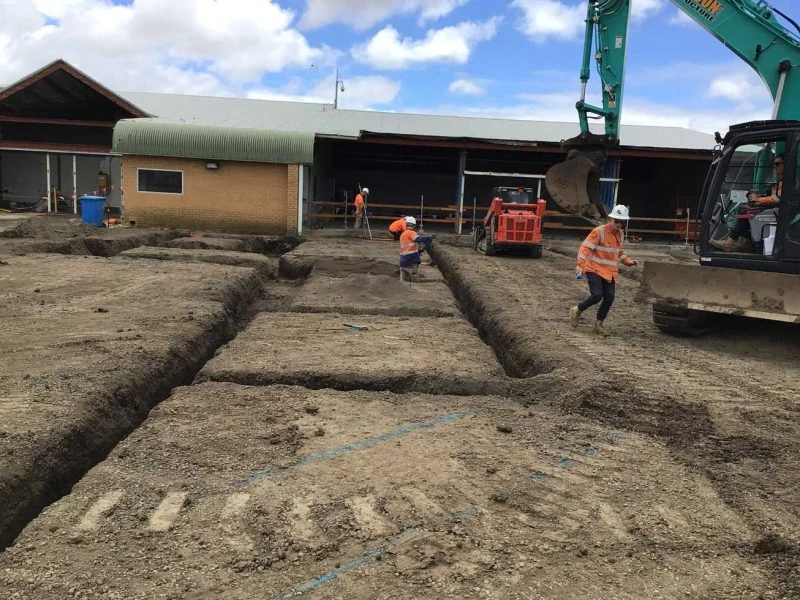
Excavation trenches and machinery at a construction site

BridgeCon ensures safe utility trenching in Melbourne with structured shoring, controlled dewatering, and strict DBYD compliance for civil projects.

Utility trenching in Melbourne demands precise planning, controlled excavation methods, and consistent compliance to protect underground networks. BridgeCon applies engineered methodologies that maintain safe and operational trench environments across all project scales. Our approach ensures reliable outcomes for public and private infrastructure works.

Shoring Systems for Safe Trench Stability

Shoring systems maintain ground stability and significantly reduce collapse risks by preventing lateral soil movement around open excavations. Our team measures soil composition, groundwater influence, and anticipated loading conditions to determine the appropriate shoring configuration for each environment. Engineers validate all structural elements to ensure compliance with safety legislation and engineering performance requirements.

Hydraulic, mechanical, and engineered shields are selected according to trench depth, width, and site behaviour. Our specialists install and adjust shoring systems progressively as excavation advances to maintain consistent ground support. These procedures reinforce the stability required for efficient and compliant utility trenching in Melbourne while protecting personnel and surrounding infrastructure.

Dewatering Techniques for Clear and Stable Excavations

Dewatering supports stable trench conditions by controlling groundwater levels throughout excavation activities. Adjustments are implemented as required to sustain compliant operating conditions and protect trench stability.

The following techniques are commonly utilised:

  • Wellpoint Systems: A series of shallow wells connected to a vacuum pump lowers groundwater levels around the excavation.
  • Deep Well Installations: Submersible pumps placed in deep boreholes manage higher groundwater inflows in deep excavation environments.
  • Sump Pumping: Localised sumps collect water at the base of the trench for continuous pump extraction.
  • Eductor Wells: High-pressure water is circulated to draw groundwater upward in low-permeability soil conditions.
  • Cutoff Barriers: Impermeable barriers minimise groundwater intrusion where geological behaviour requires additional containment.

DBYD Compliance and Service Coordination Essentials

DBYD compliance supports safe excavation planning by identifying underground assets and guiding clearance requirements across all work stages. These processes reinforce reliable excavation sequencing, minimise the risk of service strikes, and strengthen the operational safety of utility trenching in Melbourne.

DBYD process steps include:

  • Service Mapping Review: Our project team verifies DBYD plans to confirm the location, depth, and alignment of essential underground services.
  • Non-Destructive Digging Verification: Hydro excavation exposes services to confirm their exact positioning before mechanical excavation begins.
  • Clearance Monitoring: Supervisors record and validate separation distances to ensure all works remain within DBYD compliance thresholds.
  • Utility Stakeholder Communication: Network providers receive notification of excavation activities so protective measures remain active during the project.
  • Permit Tracking and Documentation: All DBYD checks, validations, and inspection records are documented to demonstrate complete compliance throughout the works.

Precision Utility Trenching Delivered with Safety and Compliance

BridgeCon delivers engineered trenching solutions supported by structured shoring, effective dewatering, and complete DBYD compliance. Our utility trenching in Melbourne is executed with precision to maintain stable excavation conditions and deliver reliable project outcomes. We ensure every utility service excavation project in Melbourne is delivered safely, efficiently, and in full compliance with industry standards.

Contact us and access dependable, technically engineered solutions.

Related Blog Article: Civil Works Excavation: Expert Trenching Services in Melbourne by Bridgecon

Blog

Cut-and-Fill Optimisation: GPS Machine Control for Reduced Rework on Civil Sites

12 December 2025

Excavation trenches and machinery at a construction site

Optimise civil projects with BridgeCon in Melbourne using GPS machine control for cut-and-fill precision, reduced rework, and greater efficiency.

Effective cut-and-fill optimisation is central to modern civil earthworks, leveraging precise modelling and machine control to minimise rework. On infrastructure sites, thoughtful planning of excavation alongside filling activities ensures efficient reuse of material and smoother progress. The approach transforms what once was manual guesswork into a controlled and measurable process.

The Importance of Machine Control in Earthworks

Accurate and efficient earthmoving relies on precise data integration between design and execution. GPS-machine control systems provide real-time guidance that enhances grading accuracy, reduces rework and improves overall project sustainability.

  • Executing excavation and fill operations with centimetre-level precision
  • Integrating digital design models directly into excavators and dozers
  • Aligning cut and fill activities to plan with minimal material waste
  • Reducing unnecessary haulage and fuel consumption across the site
  • Projecting elevation data for consistent grade control and accuracy
  • Minimising manual surveying to enhance on-site safety and productivity
  • Delivering measurable cost savings through reduced rework and downtime

Cut-and-Fill Optimisation with GPS Machine Control

Cut-and-fill optimisation becomes fully effective when GPS-enabled machine control integrates with precise digital terrain models and detailed volume data. Across all scales of civil sites, balancing cut and fill volumes within the same footprint reduces the need for importing or exporting material, lowering overall project costs and environmental impact. Research published in Earthwork Volume Optimisation and Transport Path Planning highlights that accurate cut-fill matching and optimised haul route planning can substantially decrease total earthwork cost and duration.

Digital terrain modelling allows earthworks teams to assess material movements before execution, allocate equipment based on accurate site data, and monitor progress in real time against the design. This process prevents over-excavation and under-fill, reduces machinery downtime, and ensures precise alignment with project specifications. The outcome is greater efficiency, minimal rework and improved predictability throughout construction delivery.

Key Implementation Steps for Optimising Earthworks

Achieving precise results in cut-and-fill optimisation relies on a structured workflow that integrates data accuracy, equipment calibration and continuous monitoring. Each phase of implementation contributes to consistent material balance, reduced rework and improved site efficiency.

Here are the core steps required to maximise the benefits of the cut-and-fill optimisation process:

  • Survey and model preparation: Develop a detailed digital terrain model (DTM) incorporating existing and proposed grade levels; this sets the foundation for accurate machine guidance.
  • Volume balancing and plan development: Use the DTM to calculate cut and fill volumes and adjust design where possible to reduce material import/export and align with cut-and-fill optimisation goals.
  • GPS-machine control setup: Calibrate excavators, dozers and other earth-moving equipment with GPS or GNSS guidance systems to execute the plan with precision.
  • Real-time monitoring and adjustments: Track progress on-site, compare actual earthworks to the plan, identify deviations and adjust machine instructions or sequences accordingly.
  • Quality assurance and compaction verification: Ensure fill material meets compaction and stability criteria, avoiding settlement issues and ensuring durability of the finished works.

Elevate Earthworks with Precision Control

GPS-machine control for cut-and-fill optimisation enhances accuracy, minimises rework and improves cost efficiency across complex civil projects. At BridgeCon, we apply advanced technology and data-driven workflows to deliver consistent and measurable outcomes. Precise implementation of these systems ensures superior quality, reduced downtime and greater project reliability.

Contact us to discover how our precision earthworks solutions can optimise your next project.

Related Blog Article: Efficient Cut and Fill Solutions for Large-Scale Civil Projects in Victoria

Blog

Bulk Earthworks Planning for Civil Projects: Survey, Haul Roads and Mass-Haul Logistics

28 November 2025

Excavation trenches and machinery at a construction site

Streamline large-scale civil projects with BridgeCon’s expert bulk earthworks planning, survey precision, and sustainable haul logistics in Melbourne.

Successful civil projects begin with precise bulk earthworks planning, where every cut, fill, and haul movement is calculated for efficiency and safety. This process establishes the foundation for infrastructure integrity, ensuring that material movement aligns with design intent and environmental standards. BridgeCon integrates advanced modelling and engineering expertise to streamline large-scale earthworks from planning through execution.

Survey Control and Terrain Modelling for Design Accuracy

Accurate survey data is the foundation of efficient groundworks. Advanced digital terrain models and geospatial mapping allow engineers to determine soil profiles, elevation contours, and material distribution with precision. These datasets guide decision-making on slope gradients, cut-to-fill balance, and the positioning of haul routes.

Modern survey tools such as LiDAR and GPS-guided total stations further enhance data reliability. Real-time geospatial data collection enables responsive updates during construction, reducing rework and material wastage. This approach not only improves cost accuracy but also supports compliance with Australian construction standards.

Haul Roads and Mass-Haul Logistics in Bulk Earthworks Planning

Efficient haul road design and mass-haul logistics are fundamental to bulk earthworks planning, ensuring material movement is both economical and safe. Engineers assess topography, haul distances, and equipment cycles to establish optimal routes that reduce fuel consumption, minimise wear, and improve overall operational efficiency.

Strategic modelling platforms such as Civil 3D and Trimble Business Centre enable planners to simulate haul routes, balance cut-and-fill operations, and forecast production rates with precision. Standards like the Austroads Pavement Design Manual provide technical benchmarks that guide compliant, high-performance design and construction outcomes.

Material Management and Environmental Coordination

Effective material management mitigates environmental impact while supporting construction efficiency. Material classification and moisture conditioning are assessed early to ensure stable compaction and long-term durability. Proper coordination of borrow and spoil sites maintains project sustainability and reduces unnecessary transport distances.

Environmental management plans (EMPs) integrate with scheduling tools to control erosion, dust, and runoff. Incorporating geotechnical assessments into logistics planning ensures materials meet project-specific performance and regulatory requirements under Australian environmental standards.

Key Elements of a Comprehensive Earthworks Strategy

An integrated strategy enhances productivity and safety across every stage of civil works.

  • Data Integration: Unified 3D design, survey data, and scheduling software reduce inconsistencies between design and field execution.
  • Traffic Management: Dedicated haul routes prevent congestion and enhance on-site safety during high-volume material movement.
  • Drainage Control: Temporary and permanent drainage systems stabilise the work zone and maintain environmental compliance.
  • Equipment Optimisation: Selecting suitable plant and fleet configurations ensures maximum efficiency across varying soil conditions.
  • Safety Protocols: Compliance with WHS standards ensures operational integrity and reduces downtime due to avoidable incidents.

Each component aligns with the principles of bulk earthworks planning, ensuring precision, sustainability, and efficiency in large-scale developments.

Professional Earthworks Solutions for Civil Projects

BridgeCon delivers precision-driven earthworks solutions tailored for complex civil infrastructure projects. Our team integrates advanced modelling, compliance expertise, and logistics coordination to deliver cost-effective outcomes that meet Australian standards.

Contact us today to discuss your next infrastructure or bulk excavation project with our experienced engineering team.

Related Blog Article: BridgeCon’s Bulk Earthworks Expertise: Scalable Solutions for Developers

Blog

Steel Protection for Road Structures: Galvanising vs. High-Build Coatings

14 November 2025

Steel safety barriers along a bridge at sunset

BridgeCon delivers expert steel protection in Victoria for road structures using galvanising and high-build coatings engineered for lasting durability.

Durability, safety, and performance rely on effective steel protection for road structures that resists moisture, salt, and corrosive elements. Selecting the right system, whether galvanising or high-build coatings, ensures long-term resilience in demanding environments. At BridgeCon, we provide corrosion control solutions engineered to Australian Standards for the reliability of Victoria’s road infrastructure.

Engineering Factors Influencing Corrosion Resistance

Road infrastructure operates in diverse and challenging conditions. Steel components face corrosion accelerated by humidity, temperature fluctuations, and airborne contaminants. Selecting an appropriate protective system requires technical evaluation of:

  • Environmental Classification: Defined under AS/NZS 2312.1 and 2312.2, this identifies corrosion categories from C2 (mild) to C5 (severe). Correct classification ensures the protection system matches the site’s exposure and environmental demands.
  • Surface Preparation: Abrasive blasting and cleaning remove rust, scale, and contaminants before coating. A properly prepared surface ensures strong adhesion and consistent protective coverage.
  • Coating Application Control: Temperature, humidity, and film thickness must be tightly monitored during application. Controlled conditions prevent coating defects and extend service life.
  • Maintenance Interval: Regular inspections and maintenance cycles help detect early wear or damage. Planned recoating schedules reduce lifecycle costs and maintain structural protection.
  • Structural Geometry: Welds, joints, and sharp edges require careful detailing to prevent moisture entrapment. Smooth transitions and proper drainage improve coating performance and durability.

Optimising Steel Protection for Road Structures through Material Science

Hot-dip galvanising forms a zinc-iron alloy that bonds to the steel surface, creating a self-healing layer that delivers long-term barrier and cathodic protection. It provides consistent corrosion resistance ideal for exposed bridge and road components.

High-build coatings use multi-layer epoxy or polyurethane systems to form a dense chemical barrier against moisture and pollutants. Duplex systems combining galvanising and coating achieve superior durability and performance in demanding structural environments.

Performance Comparison: Galvanising vs. High-Build Coatings

A direct comparison between galvanising and high-build coatings highlights how each system performs under different structural and environmental conditions. Understanding these distinctions helps engineers determine the most efficient and durable protection strategy for long-term infrastructure reliability.

CriteriaGalvanisingHigh-Build Coatings
Protection TypeCathodic and barrierBarrier only
Lifespan (Typical)40–80 years20–30 years
Maintenance NeedsMinimalPeriodic recoating
Application ControlFactory processOn-site controlled environment
Cost EfficiencyHigher initial, lower lifecycleLower initial, higher long-term

Both methods provide durable performance when correctly specified and applied. However, galvanising offers superior corrosion resistance for coastal or industrial environments, while coatings provide flexibility and easier on-site repair in confined structures.

Maximising Durability with Expert Protection Systems

At BridgeCon, we design and apply advanced corrosion protection systems to extend the life of critical infrastructure across Victoria. Our expertise ensures every project benefits from optimised galvanising or coating solutions that meet rigorous safety and performance standards.

For reliable steel protection for road structures, contact us at BridgeCon today to discuss tailored options for your next civil project.

Related Blog Article: Road Construction Services Melbourne: Safe, Compliant and Built to Last

Blog

Steel Fabrication for Infrastructure Projects: Meeting AS/NZS 1554 Compliance

31 October 2025

Steel safety barriers along a bridge at sunset

BridgeCon delivers expert steel fabrication infrastructure services in Melbourne, ensuring AS/NZS 1554 compliance for safe, durable, and reliable projects.

High-quality steel fabrication infrastructure is essential for building safe, durable civil projects that stand the test of time. From bridges to major transport networks, every component must be carefully engineered and fabricated to meet strict performance and safety standards. At BridgeCon, we deliver precise, compliant solutions that ensure long-term reliability for our clients and the communities they serve.

Why AS/NZS 1554 Standards Matter in Infrastructure

The AS/NZS 1554 standard forms the foundation for welding and fabrication practices across the construction industry. It provides detailed guidelines that ensure steel structures are fabricated with accuracy, consistency, and strength. These standards are essential for projects that must endure demanding environmental and operational conditions.

By complying with AS/NZS 1554, we safeguard the integrity of bridges, roads, and public-use facilities. This approach protects communities, ensures long-term performance, and minimises the risks associated with structural weaknesses or early deterioration. It also builds trust with regulators, contractors, and stakeholders involved in major infrastructure projects.

Achieving Compliance Through Expert Steel Fabrication

We apply advanced welding techniques, precision cutting, and rigorous quality checks to meet the exacting requirements of AS/NZS 1554. Every step of our process is designed to ensure that fabricated components align with project specifications and compliance obligations. This careful approach helps reduce errors, delays, and costly rework.

Our team conducts thorough inspections before installation to verify weld strength and structural soundness. By identifying and addressing potential issues early, we streamline construction timelines and deliver steel fabrication infrastructure outcomes that remain reliable and high-performing throughout the lifespan of the project.

Reducing Risks in Large-Scale Projects with Certified Practices

Non-compliant steel fabrication infrastructure can result in serious safety risks, costly delays, and financial setbacks. By engaging certified professionals and adhering to strict industry standards, we minimise these challenges and deliver safe, reliable outcomes for large-scale infrastructure projects.

The benefits of certified fabrication include:

  • Consistent Weld Quality – Every weld is tested and verified to meet strict standards for strength and precision.
  • Fewer Project Delays – Proper fabrication reduces the risk of errors that cause costly rework or downtime.
  • Long-Lasting Structures – Certified processes deliver components to withstand heavy use and harsh conditions.
  • Regulatory Compliance – All work aligns with Australian safety and quality regulations for public infrastructure.
  • Improved Return on Investment – Durable, compliant structures lower maintenance costs and extend service life.

This level of certification allows us to deliver projects with confidence, knowing they meet both regulatory and client expectations.

BridgeCon: Your Partner in Quality and Compliance

At BridgeCon, we perform expert steel fabrication infrastructure solutions supported by ISO certification and membership with the Australian Steel Institute. Our exclusive Integrated Management System allows us to maintain precision, efficiency, and strict compliance across every stage of the fabrication process.

We work closely with our clients to transform complex engineering designs into durable, high-performing structures. From major civil works to large-scale transport networks, our team combines technical expertise with innovation to deliver safe, reliable, and fully compliant infrastructure outcomes.

Contact us today to learn how we can help deliver safe, durable, and fully compliant infrastructure outcomes.

Related Blog Article: Steel Fabrication Techniques Transforming Modern Melbourne Construction Projects